What is marketing automation, how does it work, and why is it important for modern businesses? This guide will explain everything you need to know.
What Is Marketing Automation?
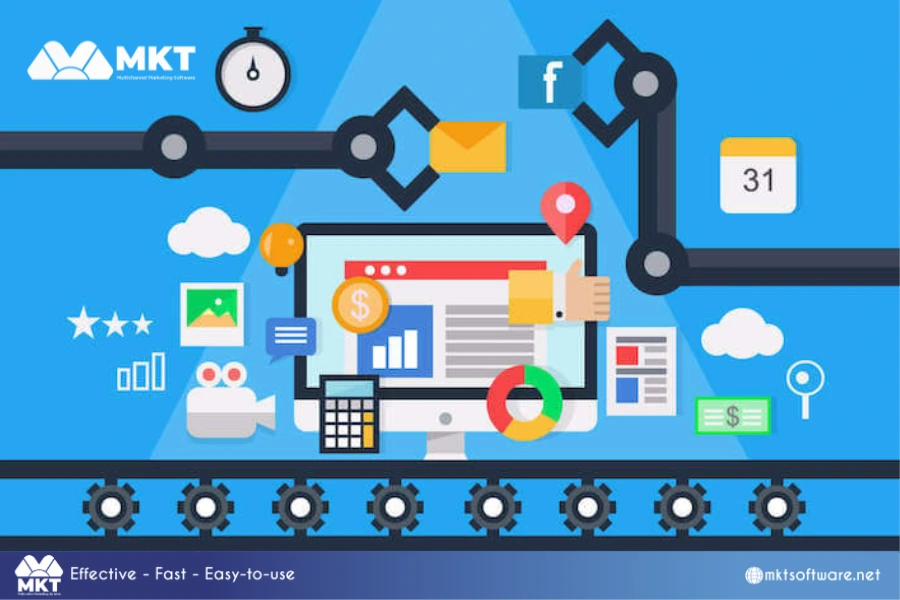
Marketing automation refers to the use of software and technology to automate repetitive marketing tasks and workflows. Its main goal is to help businesses attract, engage, nurture, and convert customers more efficiently.
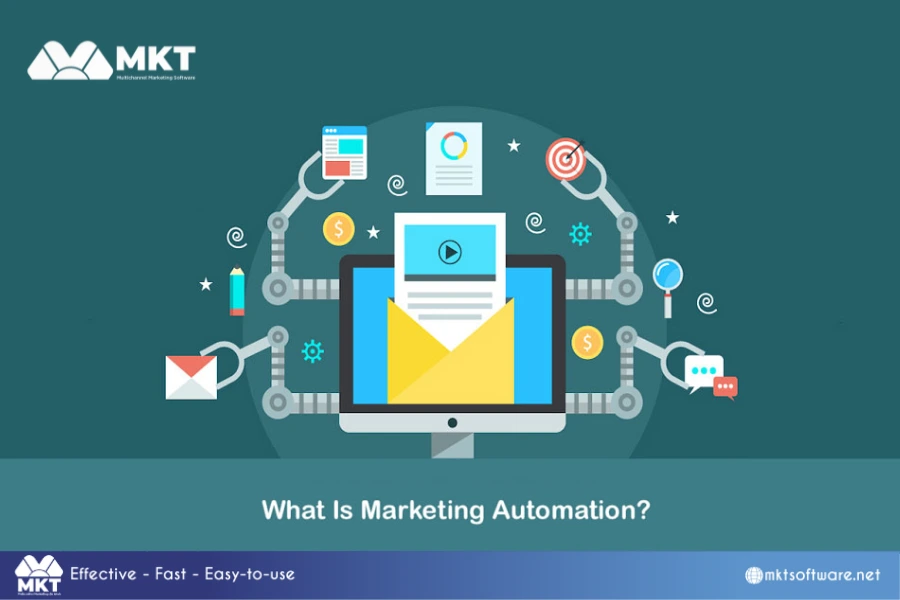
Instead of manually sending emails, managing leads, or tracking customer behavior, marketing automation systems handle these processes automatically based on predefined rules and user actions.
In simple terms, marketing automation allows marketers to deliver the right message to the right person at the right time, without constant manual effort.
What Is Marketing Automation Used For?
Many people think marketing automation is only about email marketing, but it goes far beyond that. Here are some of its most common applications.
Email Marketing Automation
Marketing automation enables businesses to send automated emails based on user behavior, such as:
-
Welcome emails after sign-up
-
Follow-up emails after downloading content
-
Abandoned cart reminders
-
Post-purchase emails
These automated emails improve engagement while saving time and resources.
Lead Nurturing
Not all leads are ready to buy immediately. Marketing automation helps businesses nurture leads by:
-
Sending educational content over time
-
Building trust with potential customers
-
Guiding leads through the buyer’s journey
This process increases the likelihood of conversion when the lead is ready to make a decision.
Lead Scoring
Marketing automation tools automatically assign scores to leads based on:
-
User behavior (email opens, clicks, website visits)
-
Demographic data (job title, company size, industry)
This helps sales teams focus on high-quality leads with the greatest potential.
How Does Marketing Automation Work?
To fully understand what is marketing automation, it’s important to look at how it works in practice.
Data Collection
Marketing automation platforms collect data from multiple sources, including:
-
Website forms
-
Email interactions
-
Social media
-
CRM systems
This data provides insights into customer behavior and preferences.
Segmentation and Personalization
Customers are segmented into different groups based on their actions, interests, or profile information. This allows marketers to personalize messages and campaigns more effectively.
Workflow Automation
Marketers create automated workflows using “if–then” rules. For example:
-
If a user downloads an ebook
-
If the user clicks a product link
-
If no interaction occurs
Measurement and Optimization
Marketing automation platforms track performance metrics such as open rates, click-through rates, and conversions. Marketers can then optimize campaigns based on real data.
Benefits of Marketing Automation
Saves Time and Increases Efficiency
By automating repetitive tasks, marketing teams can focus on strategy, creativity, and performance analysis instead of manual execution.
Improves Customer Experience
Marketing automation delivers personalized and relevant content, creating a better experience for customers and increasing engagement.
Increases Conversion Rates
With structured lead nurturing and timely communication, businesses can convert more leads into paying customers.
Aligns Marketing and Sales Teams
Marketing automation integrates with CRM systems, ensuring that marketing and sales teams share the same data and work toward common goals.
Who Should Use Marketing Automation?
Marketing automation is suitable for:
-
Small and medium-sized businesses looking to scale
-
Large enterprises managing high volumes of leads
-
B2B companies with long sales cycles
-
E-commerce businesses focused on customer retention
-
SaaS, education, real estate, and professional services industries
Any business that wants to grow efficiently can benefit from marketing automation.
Popular Marketing Automation Tools
There are many marketing automation platforms available today. Some of the most popular include:
-
HubSpot
-
ActiveCampaign
-
Mailchimp
-
Marketo
-
Salesforce Marketing Cloud
Each tool offers different features and pricing models, so businesses should choose based on their goals and budget.
Is Marketing Automation Replacing Marketers?
No. Marketing automation does not replace marketers—it empowers them.
Human creativity, strategy, and decision-making are still essential. Marketing automation simply handles execution and data processing, allowing marketers to work smarter and achieve better results.
what is marketing automation? It is a powerful technology that helps businesses automate marketing processes, personalize customer journeys, and improve conversion rates.
When implemented correctly, marketing automation saves time, reduces costs, and creates meaningful customer experiences. For businesses aiming to grow in a competitive digital landscape, marketing automation is no longer optional—it is a strategic advantage.